Buy rumy.eu ?
We are moving the project
rumy.eu .
Are you interested in purchasing the domain
rumy.eu ?
domain@kv-gmbh.de · 0541-91531010
Buy rumy.eu ?
At which latitude does the subtropical and tropical zone begin?
The subtropical and tropical zones begin at approximately 23.5 degrees north and south of the equator. These latitudes mark the Tropic of Cancer in the northern hemisphere and the Tropic of Capricorn in the southern hemisphere. Within these zones, the climate is typically warm to hot year-round, with distinct wet and dry seasons. **
At what latitude does the subtropical and tropical region begin?
The subtropical and tropical regions typically begin around 23.5 degrees north and south of the equator. This is where the Tropic of Cancer and the Tropic of Capricorn are located, respectively. These regions are characterized by warm temperatures, abundant sunshine, and diverse ecosystems. **
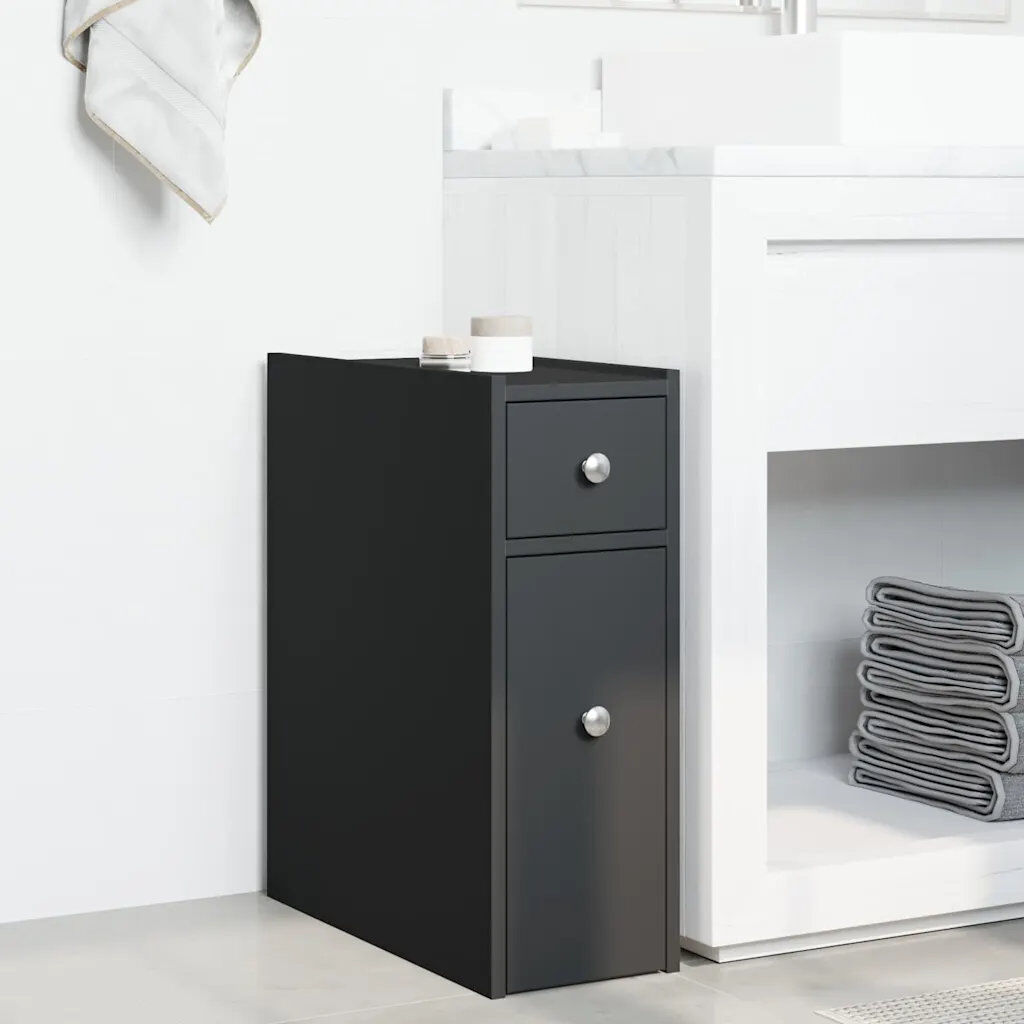

Similar search terms for Latitude-Run-Arsis-Bathroom
Top-Angebote
Products related to Latitude-Run-Arsis-Bathroom:




-
At which latitude does the subtropical and tropical region begin?
The subtropical and tropical regions typically begin around the Tropic of Cancer at approximately 23.5 degrees north latitude and the Tropic of Capricorn at approximately 23.5 degrees south latitude. These regions are characterized by warm temperatures, high humidity, and lush vegetation. The area between these latitudes is known as the tropics and experiences a tropical climate with distinct wet and dry seasons. **
-
Why do the climate zones not run parallel to the lines of latitude?
The climate zones do not run parallel to the lines of latitude because they are influenced by various factors such as ocean currents, wind patterns, elevation, and proximity to large bodies of water. These factors can create variations in temperature, precipitation, and other climate characteristics, leading to the formation of different climate zones. For example, the presence of warm ocean currents can lead to milder climates at higher latitudes, while mountain ranges can create rain shadows and influence local climate patterns. As a result, the climate zones can be quite diverse and do not strictly follow the lines of latitude. **
-
Why do the boundaries of climate zones run parallel to the lines of latitude?
The boundaries of climate zones run parallel to the lines of latitude because the amount of sunlight received at different latitudes determines the temperature and climate of a region. As the Earth is tilted on its axis, sunlight is distributed unevenly, resulting in varying temperatures at different latitudes. This leads to the formation of distinct climate zones that are aligned parallel to the lines of latitude. **
-
How is latitude calculated?
Latitude is calculated as the angle between a point on the Earth's surface and the equatorial plane. It is measured in degrees, with the equator being 0 degrees latitude and the poles being 90 degrees north or south latitude. Latitude can be determined using various methods, such as GPS coordinates, celestial navigation, or by using specialized instruments like a sextant to measure the angle of the sun or stars above the horizon. **
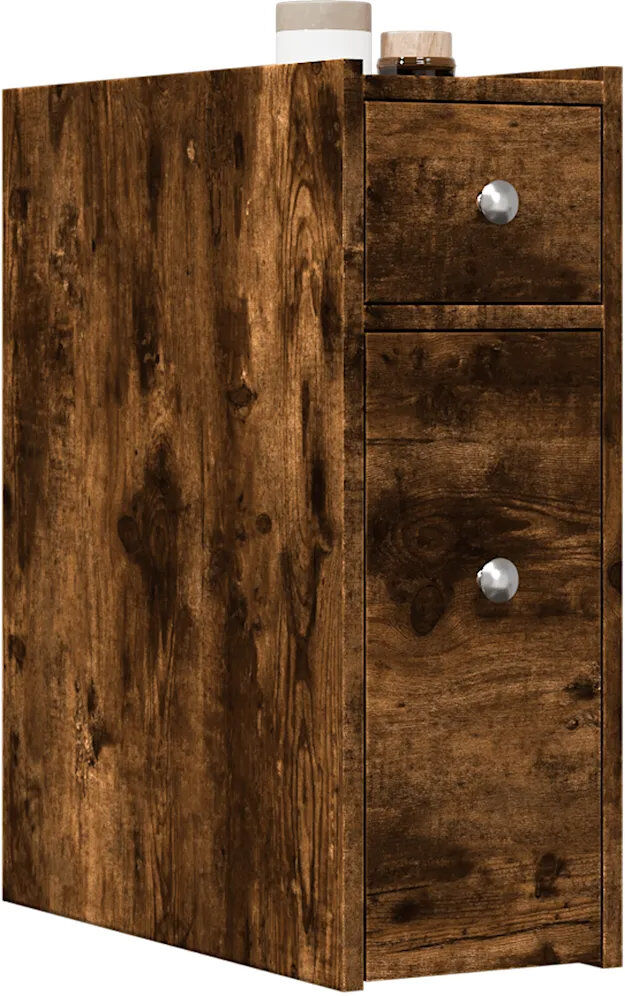

What is the latitude?
The latitude is a geographic coordinate that specifies the north-south position of a point on the Earth's surface. It is measured in degrees, with the equator being 0 degrees latitude and the poles being 90 degrees north and south latitude. The latitude lines run parallel to the equator and are used to determine how far north or south a location is from the equator. **
How do you calculate latitude?
Latitude is calculated based on the angle between a point on the Earth's surface and the equator. It is measured in degrees, with the equator being 0 degrees and the poles being 90 degrees north or south. Latitude can be determined using various methods, such as GPS coordinates, celestial navigation, or by using specific tools like a sextant to measure the angle of the sun or stars above the horizon. **
Top-Angebote
Products related to Latitude-Run-Arsis-Bathroom:
-
At which latitude does the subtropical and tropical zone begin?
The subtropical and tropical zones begin at approximately 23.5 degrees north and south of the equator. These latitudes mark the Tropic of Cancer in the northern hemisphere and the Tropic of Capricorn in the southern hemisphere. Within these zones, the climate is typically warm to hot year-round, with distinct wet and dry seasons. **
-
At what latitude does the subtropical and tropical region begin?
The subtropical and tropical regions typically begin around 23.5 degrees north and south of the equator. This is where the Tropic of Cancer and the Tropic of Capricorn are located, respectively. These regions are characterized by warm temperatures, abundant sunshine, and diverse ecosystems. **
-
At which latitude does the subtropical and tropical region begin?
The subtropical and tropical regions typically begin around the Tropic of Cancer at approximately 23.5 degrees north latitude and the Tropic of Capricorn at approximately 23.5 degrees south latitude. These regions are characterized by warm temperatures, high humidity, and lush vegetation. The area between these latitudes is known as the tropics and experiences a tropical climate with distinct wet and dry seasons. **
-
Why do the climate zones not run parallel to the lines of latitude?
The climate zones do not run parallel to the lines of latitude because they are influenced by various factors such as ocean currents, wind patterns, elevation, and proximity to large bodies of water. These factors can create variations in temperature, precipitation, and other climate characteristics, leading to the formation of different climate zones. For example, the presence of warm ocean currents can lead to milder climates at higher latitudes, while mountain ranges can create rain shadows and influence local climate patterns. As a result, the climate zones can be quite diverse and do not strictly follow the lines of latitude. **
Similar search terms for Latitude-Run-Arsis-Bathroom
-
Why do the boundaries of climate zones run parallel to the lines of latitude?
The boundaries of climate zones run parallel to the lines of latitude because the amount of sunlight received at different latitudes determines the temperature and climate of a region. As the Earth is tilted on its axis, sunlight is distributed unevenly, resulting in varying temperatures at different latitudes. This leads to the formation of distinct climate zones that are aligned parallel to the lines of latitude. **
-
How is latitude calculated?
Latitude is calculated as the angle between a point on the Earth's surface and the equatorial plane. It is measured in degrees, with the equator being 0 degrees latitude and the poles being 90 degrees north or south latitude. Latitude can be determined using various methods, such as GPS coordinates, celestial navigation, or by using specialized instruments like a sextant to measure the angle of the sun or stars above the horizon. **
-
What is the latitude?
The latitude is a geographic coordinate that specifies the north-south position of a point on the Earth's surface. It is measured in degrees, with the equator being 0 degrees latitude and the poles being 90 degrees north and south latitude. The latitude lines run parallel to the equator and are used to determine how far north or south a location is from the equator. **
-
How do you calculate latitude?
Latitude is calculated based on the angle between a point on the Earth's surface and the equator. It is measured in degrees, with the equator being 0 degrees and the poles being 90 degrees north or south. Latitude can be determined using various methods, such as GPS coordinates, celestial navigation, or by using specific tools like a sextant to measure the angle of the sun or stars above the horizon. **
* All prices are inclusive of VAT and, if applicable, plus shipping costs. The offer information is based on the details provided by the respective shop and is updated through automated processes. Real-time updates do not occur, so deviations can occur in individual cases. ** Note: Parts of this content were created by AI.