Buy rumy.eu ?
We are moving the project
rumy.eu .
Are you interested in purchasing the domain
rumy.eu ?
domain@kv-gmbh.de · 0541-91531010
Buy rumy.eu ?
How is the partitive formed?
The partitive is formed in French by using the preposition "de" followed by the definite article "le," "la," or "les." This combination contracts to form "du," "de la," or "des" before a singular or plural noun, respectively. For example, "some bread" is "du pain" and "some apples" is "des pommes." The partitive is used to indicate an unspecified quantity or portion of a mass noun. **
What is the French partitive article?
The French partitive article is used to indicate an unspecified quantity of a noun that cannot be counted. It is formed by combining the preposition "de" with the definite article corresponding to the noun's gender and number. For example, "du" is used with masculine singular nouns, "de la" with feminine singular nouns, and "des" with plural nouns. The partitive article is used in French to express concepts like some, any, or a part of something. **


Similar search terms for Partitive
Top-Angebote
Products related to Partitive:
-
U&I Entertainment Hello Kitty Island Adventure for PlayStation 5 (Disc) - Sanrio Characters, Adventure GameJoin Hello Kitty and friends on a charming island adventure for the PlayStation 5. Create your own Sanrio-style character and explore the colorful world of Big Adventures Park. Meet beloved characters, discover distinct island regions, and build friendships by completing quests and sharing thoughtful gifts. Explore, create, and play together by cooking recipes, crafting useful items, collecting clothing, and decorating cabins with furniture found throughout your adventure. The island offers a variety of relaxing activities and secrets to uncover, including underwater treasure hunting, flower growing, fishing, and puzzle solving. Key features include exploring varied regions, customizing your character with different features, outfits, and accessories, befriending Hello Kitty, My Melody, Kuromi, and other Sanrio characters, and decorating cabins to create welcoming spaces for island visitors.19,39 £*Shipping: 1,99 £Secure redirect to the provider
-
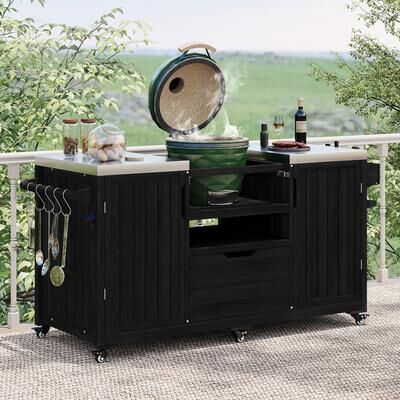
Ostweer Modern Outdoor Kitchen Island Grill Cart with Drawer, Rolling Island Table Serving Cart with Spice RackElevate your outdoor grilling with this 66.5-inch Big Green Egg table, crafted from 100% solid fir wood and featuring a 1.2-inch thick 201 stainless steel countertop.536,78 $*Shipping: 0,00 $Secure redirect to the provider
-
Inspired Living Pirate Treasure Hunt Map For Kids Vintage Kraft Party Adventure Map aTurn an ordinary party into a swashbuckling adventure filled with clues, imagination, and hidden treasure. This pirate treasure map gives young adventurers a fun centerpiece for pretend play, scavenger hunts, and themed celebrations. Its vintage...23,97 $*Shipping: 0,00 $Secure redirect to the provider
-
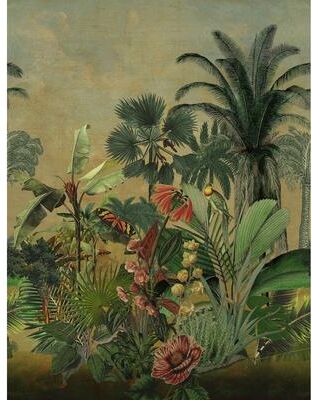
Laural Home "Tropical Island 13x72 Runner - 13"" x 72""""This tropical themed runner, ""Tropical Island,"" is a bright and fun design that will liven up any dining space. This watercolor styled runner features vibrant pink, orange, and green tropical flowers and leaves against a white background."37,99 $*Shipping: 0,00 $Secure redirect to the provider



-
What are partitive articles in the French language?
Partitive articles in French are used to indicate an unspecified quantity of a noun. They are used when referring to a portion or some of a mass noun, such as food or liquid. The partitive articles in French are "du" (for masculine nouns), "de la" (for feminine nouns), and "de l'" (for nouns starting with a vowel or silent "h"). These articles are essential for expressing the concept of some or any in French. **
-
What is the rule for the partitive article?
The rule for the partitive article in French is to use "de" followed by the definite article (le, la, les) to indicate an unspecified quantity or some of a mass noun. For example, "du" is used for masculine singular nouns, "de la" for feminine singular nouns, and "des" for plural nouns. The partitive article is used when referring to an unknown or unspecified quantity of something. **
-
How do you form the genitive partitive in Latin?
In Latin, the genitive partitive is formed by using the genitive case of the noun followed by the word "partis" or "partis" (depending on the gender of the noun) to indicate a part of the whole. For example, if the noun is "puella" (girl), the genitive partitive would be "puellae partis" to indicate "part of the girl." This construction is used to express the idea of "some of" or "a part of" something. **
-
Can you please help me with the partitive article?
The partitive article is used in French to indicate an unspecified quantity of something. It is often used with uncountable nouns to express "some" or "any" in English. The partitive article changes depending on the gender and number of the noun it precedes. For example, "du" is used before masculine singular nouns, "de la" before feminine singular nouns, and "des" before plural nouns. It is important to use the correct partitive article to indicate the appropriate quantity in French. **

What are partitive articles and quantity increases in French?
Partitive articles in French are used to indicate an unspecified quantity of a noun. They are used with uncountable nouns or when referring to a portion of something. Quantity increases in French involve using words like "plus de" (more), "beaucoup de" (a lot of), or "trop de" (too much) to indicate an increase in the quantity of something. These expressions are used to specify a larger amount of a noun compared to using just the partitive article. **
When do you use the partitive article in French?
The partitive article in French is used to indicate an unspecified quantity of a mass noun. It is used when referring to a part of a whole, or an unspecified amount of something. For example, "du" is used for masculine nouns, "de la" for feminine nouns, and "de l'" for nouns starting with a vowel or silent "h". It is important to use the partitive article when talking about food, drinks, or other uncountable nouns in French. **
Top-Angebote
Products related to Partitive:
-
Inspire Picks Pirate Barrel Sword Game For Kids Interactive Wooden Prank Board Game Pirate Barrel Sword Game For Kids Interactive Wooden Prank Board GameSet sail for laughter and surprise with this classic pirate bucket toy that turns every round into a suspensefilled adventure. Inspired by the beloved popup pirate game, kids take turns inserting swords into the barrelnever knowing when the pirate...34,93 $*Shipping: 0,00 $Secure redirect to the provider
-
U&I Entertainment Hello Kitty Island Adventure for PlayStation 5 (Disc) - Sanrio Characters, Adventure GameJoin Hello Kitty and friends on a charming island adventure for the PlayStation 5. Create your own Sanrio-style character and explore the colorful world of Big Adventures Park. Meet beloved characters, discover distinct island regions, and build friendships by completing quests and sharing thoughtful gifts. Explore, create, and play together by cooking recipes, crafting useful items, collecting clothing, and decorating cabins with furniture found throughout your adventure. The island offers a variety of relaxing activities and secrets to uncover, including underwater treasure hunting, flower growing, fishing, and puzzle solving. Key features include exploring varied regions, customizing your character with different features, outfits, and accessories, befriending Hello Kitty, My Melody, Kuromi, and other Sanrio characters, and decorating cabins to create welcoming spaces for island visitors.19,39 £*Shipping: 1,99 £Secure redirect to the provider
-
Ostweer Modern Outdoor Kitchen Island Grill Cart with Drawer, Rolling Island Table Serving Cart with Spice RackElevate your outdoor grilling with this 66.5-inch Big Green Egg table, crafted from 100% solid fir wood and featuring a 1.2-inch thick 201 stainless steel countertop.536,78 $*Shipping: 0,00 $Secure redirect to the provider
-
How is the partitive formed?
The partitive is formed in French by using the preposition "de" followed by the definite article "le," "la," or "les." This combination contracts to form "du," "de la," or "des" before a singular or plural noun, respectively. For example, "some bread" is "du pain" and "some apples" is "des pommes." The partitive is used to indicate an unspecified quantity or portion of a mass noun. **
-
What is the French partitive article?
The French partitive article is used to indicate an unspecified quantity of a noun that cannot be counted. It is formed by combining the preposition "de" with the definite article corresponding to the noun's gender and number. For example, "du" is used with masculine singular nouns, "de la" with feminine singular nouns, and "des" with plural nouns. The partitive article is used in French to express concepts like some, any, or a part of something. **
-
What are partitive articles in the French language?
Partitive articles in French are used to indicate an unspecified quantity of a noun. They are used when referring to a portion or some of a mass noun, such as food or liquid. The partitive articles in French are "du" (for masculine nouns), "de la" (for feminine nouns), and "de l'" (for nouns starting with a vowel or silent "h"). These articles are essential for expressing the concept of some or any in French. **
-
What is the rule for the partitive article?
The rule for the partitive article in French is to use "de" followed by the definite article (le, la, les) to indicate an unspecified quantity or some of a mass noun. For example, "du" is used for masculine singular nouns, "de la" for feminine singular nouns, and "des" for plural nouns. The partitive article is used when referring to an unknown or unspecified quantity of something. **
Similar search terms for Partitive
-
Inspired Living Pirate Treasure Hunt Map For Kids Vintage Kraft Party Adventure Map aTurn an ordinary party into a swashbuckling adventure filled with clues, imagination, and hidden treasure. This pirate treasure map gives young adventurers a fun centerpiece for pretend play, scavenger hunts, and themed celebrations. Its vintage...23,97 $*Shipping: 0,00 $Secure redirect to the provider
-
Laural Home "Tropical Island 13x72 Runner - 13"" x 72""""This tropical themed runner, ""Tropical Island,"" is a bright and fun design that will liven up any dining space. This watercolor styled runner features vibrant pink, orange, and green tropical flowers and leaves against a white background."37,99 $*Shipping: 0,00 $Secure redirect to the provider
-
Ostweer "Grill Cart Table 80.5"" Outdoor Kitchen Island with Storage Rack, Rolling Island Table Serving Cart with Spice Rack""Elevate your outdoor grilling with this all-in-one 80.3-inch kitchen island, designed to hold both a Large Big Green Egg (or Kamado Joe) AND a 22-28"" tabletop grill like a Blackstone griddle simultaneously."603,49 $*Shipping: 0,00 $Secure redirect to the provider
-
How do you form the genitive partitive in Latin?
In Latin, the genitive partitive is formed by using the genitive case of the noun followed by the word "partis" or "partis" (depending on the gender of the noun) to indicate a part of the whole. For example, if the noun is "puella" (girl), the genitive partitive would be "puellae partis" to indicate "part of the girl." This construction is used to express the idea of "some of" or "a part of" something. **
-
Can you please help me with the partitive article?
The partitive article is used in French to indicate an unspecified quantity of something. It is often used with uncountable nouns to express "some" or "any" in English. The partitive article changes depending on the gender and number of the noun it precedes. For example, "du" is used before masculine singular nouns, "de la" before feminine singular nouns, and "des" before plural nouns. It is important to use the correct partitive article to indicate the appropriate quantity in French. **
-
What are partitive articles and quantity increases in French?
Partitive articles in French are used to indicate an unspecified quantity of a noun. They are used with uncountable nouns or when referring to a portion of something. Quantity increases in French involve using words like "plus de" (more), "beaucoup de" (a lot of), or "trop de" (too much) to indicate an increase in the quantity of something. These expressions are used to specify a larger amount of a noun compared to using just the partitive article. **
-
When do you use the partitive article in French?
The partitive article in French is used to indicate an unspecified quantity of a mass noun. It is used when referring to a part of a whole, or an unspecified amount of something. For example, "du" is used for masculine nouns, "de la" for feminine nouns, and "de l'" for nouns starting with a vowel or silent "h". It is important to use the partitive article when talking about food, drinks, or other uncountable nouns in French. **
* All prices are inclusive of VAT and, if applicable, plus shipping costs. The offer information is based on the details provided by the respective shop and is updated through automated processes. Real-time updates do not occur, so deviations can occur in individual cases. ** Note: Parts of this content were created by AI.