Buy rumy.eu ?
We are moving the project
rumy.eu .
Are you interested in purchasing the domain
rumy.eu ?
domain@kv-gmbh.de · 0541-91531010
Buy rumy.eu ?
What are demonstrative pronouns and relative pronouns?
Demonstrative pronouns are pronouns that are used to point to specific things or people. Examples of demonstrative pronouns include "this," "that," "these," and "those." Relative pronouns are pronouns that introduce dependent clauses and connect them to independent clauses. Examples of relative pronouns include "who," "whom," "whose," "which," and "that." **
Why are demonstrative pronouns called demonstrative pronouns?
Demonstrative pronouns are called demonstrative because they demonstrate or point to a specific noun or pronoun in a sentence. They help to indicate the position or location of the noun or pronoun in relation to the speaker or listener. By using demonstrative pronouns such as "this," "that," "these," and "those," speakers can make their communication more precise and clear by specifying which person, place, thing, or idea they are referring to. **


Similar search terms for Pronouns
Top-Angebote
Products related to Pronouns:
-
Laural Home "Tropical Island 13x72 Runner - 13"" x 72""""This tropical themed runner, ""Tropical Island,"" is a bright and fun design that will liven up any dining space. This watercolor styled runner features vibrant pink, orange, and green tropical flowers and leaves against a white background."37,99 $*Shipping: 0,00 $Secure redirect to the provider
-
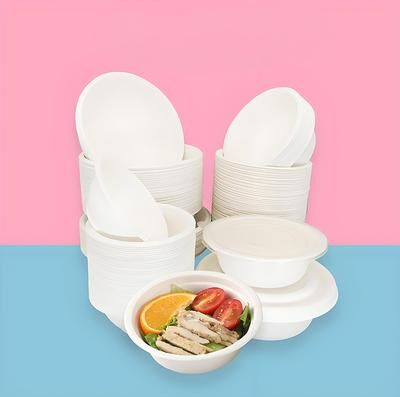
The Handy Homestead Sugarcane Pulp Bowls Pack Biodegradable Soup And Noodle Bowls Sugarcane Pulp Bowls Pack Biodegradable Soup And Noodle BowlsEnjoy easy cleanup without the guilt. These 50pcs biodegradable bowls are made for serving soups, noodles, snacks, salads, and small meals while keeping your tableware choice cleaner and more planetconscious. Designed for homes, parties, food prep,...29,97 $*Shipping: 0,00 $Secure redirect to the provider



-
With which pronouns do many people confuse reflexive pronouns?
Many people confuse reflexive pronouns with personal pronouns. For example, they may use "myself" or "yourself" instead of "me" or "you" in a sentence. This confusion often occurs when people are trying to emphasize the subject of the sentence, but they mistakenly use a reflexive pronoun instead of a personal pronoun. It's important to understand the difference between reflexive and personal pronouns in order to use them correctly in sentences. **
-
What are pronouns?
Pronouns are words that are used in place of nouns to avoid repetition in a sentence. They can refer to people, places, things, or ideas. Pronouns help make sentences clearer and more concise by replacing specific nouns with general words like "he," "she," "it," "they," and "we." Using pronouns also helps to maintain the flow of writing and make it more engaging for the reader. **
-
Which pronouns do many people often confuse with reflexive pronouns?
Many people often confuse reflexive pronouns with intensive pronouns. Intensive pronouns are used to emphasize a preceding noun or pronoun, while reflexive pronouns are used when the subject and object of a sentence are the same. For example, "I myself will do it" uses an intensive pronoun, while "I hurt myself" uses a reflexive pronoun. It is important to understand the distinction between these two types of pronouns to use them correctly in sentences. **
-
What is the difference between personal pronouns and reflexive pronouns?
Personal pronouns are used to refer to people or things, such as "I," "you," "he," "she," "it," "we," and "they." Reflexive pronouns, on the other hand, are used when the subject and object of a sentence are the same person or thing, such as "myself," "yourself," "himself," "herself," "itself," "ourselves," and "themselves." Reflexive pronouns are used to reflect the action back onto the subject, while personal pronouns simply refer to the subject or object. **


Can you help me with personal pronouns and possessive pronouns?
Certainly! Personal pronouns are used to replace nouns in a sentence, such as "I", "you", "he", "she", "it", "we", and "they". Possessive pronouns show ownership or possession, such as "mine", "yours", "his", "hers", "ours", and "theirs". If you need help understanding how to use these pronouns in a sentence or identifying which pronoun to use in a specific context, feel free to ask for more guidance. **
What is the difference between reflexive pronouns and personal pronouns?
Reflexive pronouns are used when the subject and the object of a sentence are the same, indicating that the action is being performed by the subject on itself. For example, "I hurt myself." In this sentence, "myself" is a reflexive pronoun. Personal pronouns, on the other hand, are used to refer to people or things and can be the subject or object of a sentence. For example, "She loves him." In this sentence, "she" and "him" are personal pronouns. **
Top-Angebote
Products related to Pronouns:
-
Inspire Picks Pirate Barrel Sword Game For Kids Interactive Wooden Prank Board Game Pirate Barrel Sword Game For Kids Interactive Wooden Prank Board GameSet sail for laughter and surprise with this classic pirate bucket toy that turns every round into a suspensefilled adventure. Inspired by the beloved popup pirate game, kids take turns inserting swords into the barrelnever knowing when the pirate...34,93 $*Shipping: 0,00 $Secure redirect to the provider
-
Inspired Living Pirate Treasure Hunt Map For Kids Vintage Kraft Party Adventure Map aTurn an ordinary party into a swashbuckling adventure filled with clues, imagination, and hidden treasure. This pirate treasure map gives young adventurers a fun centerpiece for pretend play, scavenger hunts, and themed celebrations. Its vintage...23,97 $*Shipping: 0,00 $Secure redirect to the provider
-
Laural Home "Tropical Island 13x72 Runner - 13"" x 72""""This tropical themed runner, ""Tropical Island,"" is a bright and fun design that will liven up any dining space. This watercolor styled runner features vibrant pink, orange, and green tropical flowers and leaves against a white background."37,99 $*Shipping: 0,00 $Secure redirect to the provider
-
What are demonstrative pronouns and relative pronouns?
Demonstrative pronouns are pronouns that are used to point to specific things or people. Examples of demonstrative pronouns include "this," "that," "these," and "those." Relative pronouns are pronouns that introduce dependent clauses and connect them to independent clauses. Examples of relative pronouns include "who," "whom," "whose," "which," and "that." **
-
Why are demonstrative pronouns called demonstrative pronouns?
Demonstrative pronouns are called demonstrative because they demonstrate or point to a specific noun or pronoun in a sentence. They help to indicate the position or location of the noun or pronoun in relation to the speaker or listener. By using demonstrative pronouns such as "this," "that," "these," and "those," speakers can make their communication more precise and clear by specifying which person, place, thing, or idea they are referring to. **
-
With which pronouns do many people confuse reflexive pronouns?
Many people confuse reflexive pronouns with personal pronouns. For example, they may use "myself" or "yourself" instead of "me" or "you" in a sentence. This confusion often occurs when people are trying to emphasize the subject of the sentence, but they mistakenly use a reflexive pronoun instead of a personal pronoun. It's important to understand the difference between reflexive and personal pronouns in order to use them correctly in sentences. **
-
What are pronouns?
Pronouns are words that are used in place of nouns to avoid repetition in a sentence. They can refer to people, places, things, or ideas. Pronouns help make sentences clearer and more concise by replacing specific nouns with general words like "he," "she," "it," "they," and "we." Using pronouns also helps to maintain the flow of writing and make it more engaging for the reader. **
Similar search terms for Pronouns
-
The Handy Homestead Sugarcane Pulp Bowls Pack Biodegradable Soup And Noodle Bowls Sugarcane Pulp Bowls Pack Biodegradable Soup And Noodle BowlsEnjoy easy cleanup without the guilt. These 50pcs biodegradable bowls are made for serving soups, noodles, snacks, salads, and small meals while keeping your tableware choice cleaner and more planetconscious. Designed for homes, parties, food prep,...29,97 $*Shipping: 0,00 $Secure redirect to the provider
-
Dream Decor Rugs Color Arch Sugarcane Multicolor Abstract Area RugStep into a world of vibrant colors and contemporary style with the Color Arch Sugarcane Multicolor Area Rug. Available in multiple sizes, this rectangle rug is perfect for adding a pop of color to any indoor space.528,49 $*Shipping: 0,00 $Secure redirect to the provider
-
The Handy Homestead Bamboo Cocktail Picks Tropical Leaf Drink Sticks 100pcsBring instant island charm to every sip, snack, and party platter. These 100pcs bamboo cocktail picks feature a tropical leaf design that turns everyday drinks and appetizers into festive, photoready treats. Perfect for hosts, home bartenders,...37,97 $*Shipping: 0,00 $Secure redirect to the provider
-
Which pronouns do many people often confuse with reflexive pronouns?
Many people often confuse reflexive pronouns with intensive pronouns. Intensive pronouns are used to emphasize a preceding noun or pronoun, while reflexive pronouns are used when the subject and object of a sentence are the same. For example, "I myself will do it" uses an intensive pronoun, while "I hurt myself" uses a reflexive pronoun. It is important to understand the distinction between these two types of pronouns to use them correctly in sentences. **
-
What is the difference between personal pronouns and reflexive pronouns?
Personal pronouns are used to refer to people or things, such as "I," "you," "he," "she," "it," "we," and "they." Reflexive pronouns, on the other hand, are used when the subject and object of a sentence are the same person or thing, such as "myself," "yourself," "himself," "herself," "itself," "ourselves," and "themselves." Reflexive pronouns are used to reflect the action back onto the subject, while personal pronouns simply refer to the subject or object. **
-
Can you help me with personal pronouns and possessive pronouns?
Certainly! Personal pronouns are used to replace nouns in a sentence, such as "I", "you", "he", "she", "it", "we", and "they". Possessive pronouns show ownership or possession, such as "mine", "yours", "his", "hers", "ours", and "theirs". If you need help understanding how to use these pronouns in a sentence or identifying which pronoun to use in a specific context, feel free to ask for more guidance. **
-
What is the difference between reflexive pronouns and personal pronouns?
Reflexive pronouns are used when the subject and the object of a sentence are the same, indicating that the action is being performed by the subject on itself. For example, "I hurt myself." In this sentence, "myself" is a reflexive pronoun. Personal pronouns, on the other hand, are used to refer to people or things and can be the subject or object of a sentence. For example, "She loves him." In this sentence, "she" and "him" are personal pronouns. **
* All prices are inclusive of VAT and, if applicable, plus shipping costs. The offer information is based on the details provided by the respective shop and is updated through automated processes. Real-time updates do not occur, so deviations can occur in individual cases. ** Note: Parts of this content were created by AI.