Buy rumy.eu ?
We are moving the project
rumy.eu .
Are you interested in purchasing the domain
rumy.eu ?
domain@kv-gmbh.de · 0541-91531010
Buy rumy.eu ?
What are guard cells and stomata?
Guard cells are specialized cells found in the epidermis of plant leaves that surround and control the opening and closing of tiny pores called stomata. Stomata are small openings on the surface of leaves that allow for the exchange of gases such as carbon dioxide and oxygen, as well as the release of water vapor during transpiration. Guard cells regulate the opening and closing of stomata in response to environmental factors such as light intensity, humidity, and carbon dioxide levels to help plants maintain proper gas exchange and water balance. **
Why do mesophytes have small stomata?
Mesophytes have small stomata to regulate water loss through transpiration. By having smaller stomata, mesophytes can control the amount of water vapor that escapes from their leaves, helping them to conserve water in environments where water availability may be limited. Additionally, smaller stomata reduce the risk of desiccation in dry conditions, allowing mesophytes to thrive in a variety of habitats. **

Similar search terms for Stomata
Top-Angebote
Products related to Stomata:
-
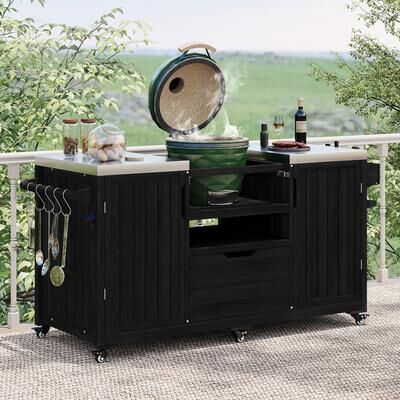
Ostweer Modern Outdoor Kitchen Island Grill Cart with Drawer, Rolling Island Table Serving Cart with Spice RackElevate your outdoor grilling with this 66.5-inch Big Green Egg table, crafted from 100% solid fir wood and featuring a 1.2-inch thick 201 stainless steel countertop.536,78 $*Shipping: 0,00 $Secure redirect to the provider
-
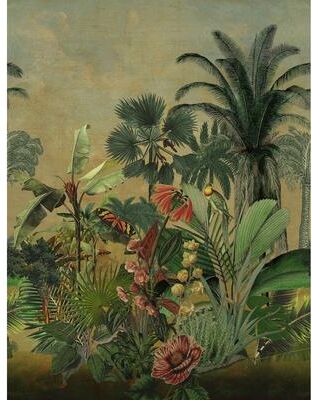
Laural Home "Tropical Island 13x72 Runner - 13"" x 72""""This tropical themed runner, ""Tropical Island,"" is a bright and fun design that will liven up any dining space. This watercolor styled runner features vibrant pink, orange, and green tropical flowers and leaves against a white background."37,99 $*Shipping: 0,00 $Secure redirect to the provider


-
Why do stomata close at midday?
Stomata close at midday to prevent excessive water loss through transpiration. During the hottest part of the day, the plant can lose a significant amount of water through open stomata, which can lead to dehydration and wilting. By closing the stomata, the plant can conserve water and maintain its turgidity, allowing it to survive the heat and dry conditions. Additionally, closing the stomata can also help to regulate the exchange of gases, such as carbon dioxide and oxygen, within the plant. **
-
What are stomata in plants in biology?
Stomata are small pores found on the surface of plant leaves and stems that are responsible for gas exchange. They allow for the uptake of carbon dioxide for photosynthesis and the release of oxygen and water vapor. Stomata are surrounded by specialized cells called guard cells, which control the opening and closing of the pores to regulate the exchange of gases and the loss of water through transpiration. This process is crucial for the survival and growth of plants. **
-
Why are the stomata located underneath the leaf?
Stomata are located underneath the leaf to reduce water loss through transpiration. Placing the stomata on the underside of the leaf helps to minimize exposure to direct sunlight and wind, which can increase water loss. Additionally, having the stomata on the underside of the leaf helps to protect them from potential damage and blockage by dust and other particles. This positioning also allows for better control of gas exchange and helps to maintain the internal water balance of the plant. **
-
Are dry plants hydrophilic and do they have sunken stomata?
Dry plants are not hydrophilic, as they do not have a strong affinity for water. In fact, they often have adaptations to conserve water, such as waxy cuticles and reduced stomata. Additionally, dry plants may have sunken stomata, which helps to reduce water loss by creating a barrier between the stomata and the external environment. These adaptations are important for the survival of dry plants in arid environments. **

Why do aquatic plants have their stomata on top, moist plants on top, adaptable plants on the bottom, and dry plants have sunken stomata?
Aquatic plants have their stomata on top to facilitate gas exchange with the surrounding water. Moist plants have stomata on top to prevent excessive water loss and maintain a moist environment for photosynthesis. Adaptable plants have stomata on the bottom to regulate water loss and gas exchange based on environmental conditions. Dry plants have sunken stomata to reduce water loss through evaporation and protect the stomata from drying out in arid conditions. **
Why do water plants have their stomata on top, moist plants on top, adaptable plants on the bottom, and dry plants have sunken stomata?
Water plants have their stomata on top to prevent water loss and allow for efficient gas exchange with the atmosphere. Moist plants have their stomata on top to take advantage of the moist air and reduce water loss. Adaptable plants have their stomata on the bottom to minimize water loss and adapt to varying environmental conditions. Dry plants have sunken stomata to reduce water loss and protect the stomata from drying out in arid conditions. Each type of plant has evolved to have stomata placement that best suits their specific environmental needs. **
Top-Angebote
Products related to Stomata:
-
Inspire Picks Pirate Barrel Sword Game For Kids Interactive Wooden Prank Board Game Pirate Barrel Sword Game For Kids Interactive Wooden Prank Board GameSet sail for laughter and surprise with this classic pirate bucket toy that turns every round into a suspensefilled adventure. Inspired by the beloved popup pirate game, kids take turns inserting swords into the barrelnever knowing when the pirate...34,93 $*Shipping: 0,00 $Secure redirect to the provider
-
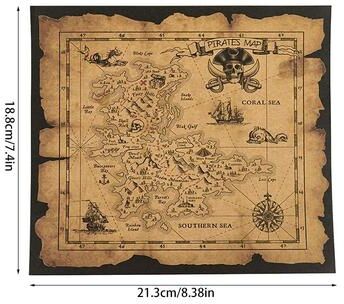
Inspired Living Pirate Treasure Hunt Map For Kids Vintage Kraft Party Adventure Map bTurn an ordinary party into a swashbuckling adventure filled with clues, imagination, and hidden treasure. This pirate treasure map gives young adventurers a fun centerpiece for pretend play, scavenger hunts, and themed celebrations. Its vintage...23,97 $*Shipping: 0,00 $Secure redirect to the provider
-
Ostweer Modern Outdoor Kitchen Island Grill Cart with Drawer, Rolling Island Table Serving Cart with Spice RackElevate your outdoor grilling with this 66.5-inch Big Green Egg table, crafted from 100% solid fir wood and featuring a 1.2-inch thick 201 stainless steel countertop.536,78 $*Shipping: 0,00 $Secure redirect to the provider
-
What are guard cells and stomata?
Guard cells are specialized cells found in the epidermis of plant leaves that surround and control the opening and closing of tiny pores called stomata. Stomata are small openings on the surface of leaves that allow for the exchange of gases such as carbon dioxide and oxygen, as well as the release of water vapor during transpiration. Guard cells regulate the opening and closing of stomata in response to environmental factors such as light intensity, humidity, and carbon dioxide levels to help plants maintain proper gas exchange and water balance. **
-
Why do mesophytes have small stomata?
Mesophytes have small stomata to regulate water loss through transpiration. By having smaller stomata, mesophytes can control the amount of water vapor that escapes from their leaves, helping them to conserve water in environments where water availability may be limited. Additionally, smaller stomata reduce the risk of desiccation in dry conditions, allowing mesophytes to thrive in a variety of habitats. **
-
Why do stomata close at midday?
Stomata close at midday to prevent excessive water loss through transpiration. During the hottest part of the day, the plant can lose a significant amount of water through open stomata, which can lead to dehydration and wilting. By closing the stomata, the plant can conserve water and maintain its turgidity, allowing it to survive the heat and dry conditions. Additionally, closing the stomata can also help to regulate the exchange of gases, such as carbon dioxide and oxygen, within the plant. **
-
What are stomata in plants in biology?
Stomata are small pores found on the surface of plant leaves and stems that are responsible for gas exchange. They allow for the uptake of carbon dioxide for photosynthesis and the release of oxygen and water vapor. Stomata are surrounded by specialized cells called guard cells, which control the opening and closing of the pores to regulate the exchange of gases and the loss of water through transpiration. This process is crucial for the survival and growth of plants. **
Similar search terms for Stomata
-
Laural Home "Tropical Island 13x72 Runner - 13"" x 72""""This tropical themed runner, ""Tropical Island,"" is a bright and fun design that will liven up any dining space. This watercolor styled runner features vibrant pink, orange, and green tropical flowers and leaves against a white background."37,99 $*Shipping: 0,00 $Secure redirect to the provider
-
Ostweer "Grill Cart Table 80.5"" Outdoor Kitchen Island with Storage Rack, Rolling Island Table Serving Cart with Spice Rack""Elevate your outdoor grilling with this all-in-one 80.3-inch kitchen island, designed to hold both a Large Big Green Egg (or Kamado Joe) AND a 22-28"" tabletop grill like a Blackstone griddle simultaneously."603,49 $*Shipping: 0,00 $Secure redirect to the provider
-
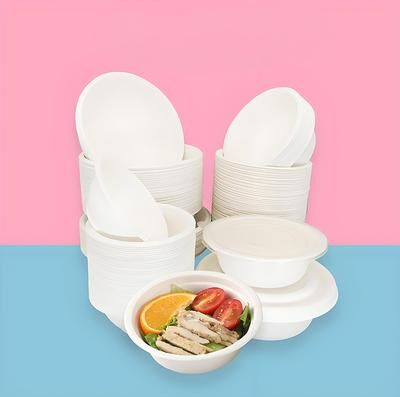
The Handy Homestead Sugarcane Pulp Bowls Pack Biodegradable Soup And Noodle Bowls Sugarcane Pulp Bowls Pack Biodegradable Soup And Noodle BowlsEnjoy easy cleanup without the guilt. These 50pcs biodegradable bowls are made for serving soups, noodles, snacks, salads, and small meals while keeping your tableware choice cleaner and more planetconscious. Designed for homes, parties, food prep,...29,97 $*Shipping: 0,00 $Secure redirect to the provider
-
Why are the stomata located underneath the leaf?
Stomata are located underneath the leaf to reduce water loss through transpiration. Placing the stomata on the underside of the leaf helps to minimize exposure to direct sunlight and wind, which can increase water loss. Additionally, having the stomata on the underside of the leaf helps to protect them from potential damage and blockage by dust and other particles. This positioning also allows for better control of gas exchange and helps to maintain the internal water balance of the plant. **
-
Are dry plants hydrophilic and do they have sunken stomata?
Dry plants are not hydrophilic, as they do not have a strong affinity for water. In fact, they often have adaptations to conserve water, such as waxy cuticles and reduced stomata. Additionally, dry plants may have sunken stomata, which helps to reduce water loss by creating a barrier between the stomata and the external environment. These adaptations are important for the survival of dry plants in arid environments. **
-
Why do aquatic plants have their stomata on top, moist plants on top, adaptable plants on the bottom, and dry plants have sunken stomata?
Aquatic plants have their stomata on top to facilitate gas exchange with the surrounding water. Moist plants have stomata on top to prevent excessive water loss and maintain a moist environment for photosynthesis. Adaptable plants have stomata on the bottom to regulate water loss and gas exchange based on environmental conditions. Dry plants have sunken stomata to reduce water loss through evaporation and protect the stomata from drying out in arid conditions. **
-
Why do water plants have their stomata on top, moist plants on top, adaptable plants on the bottom, and dry plants have sunken stomata?
Water plants have their stomata on top to prevent water loss and allow for efficient gas exchange with the atmosphere. Moist plants have their stomata on top to take advantage of the moist air and reduce water loss. Adaptable plants have their stomata on the bottom to minimize water loss and adapt to varying environmental conditions. Dry plants have sunken stomata to reduce water loss and protect the stomata from drying out in arid conditions. Each type of plant has evolved to have stomata placement that best suits their specific environmental needs. **
* All prices are inclusive of VAT and, if applicable, plus shipping costs. The offer information is based on the details provided by the respective shop and is updated through automated processes. Real-time updates do not occur, so deviations can occur in individual cases. ** Note: Parts of this content were created by AI.