Buy rumy.eu ?
We are moving the project
rumy.eu .
Are you interested in purchasing the domain
rumy.eu ?
domain@kv-gmbh.de · 0541-91531010
Buy rumy.eu ?
What is the derivation of the variance decomposition of the variance?
The variance decomposition of the variance is derived from the decomposition of the total variance into its components. This decomposition helps to understand the relative contributions of different sources of variation to the total variance. By partitioning the variance into its constituent parts, such as the variance due to different factors or sources, we can quantify the amount of variability explained by each component. This decomposition is commonly used in statistical analysis to assess the importance of various factors in explaining the overall variability in a dataset. **
What is the asymptotic variance?
The asymptotic variance is a measure of the variability of an estimator as the sample size approaches infinity. It represents the limit of the variance of the estimator as the sample size becomes very large. In statistical theory, it is used to assess the precision and reliability of an estimator in the long run. A smaller asymptotic variance indicates that the estimator is more efficient and provides more precise estimates as the sample size increases. **


Similar search terms for Variance
Top-Angebote
Products related to Variance:
-
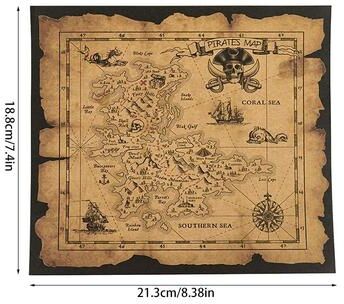
Inspired Living Pirate Treasure Hunt Map For Kids Vintage Kraft Party Adventure Map bTurn an ordinary party into a swashbuckling adventure filled with clues, imagination, and hidden treasure. This pirate treasure map gives young adventurers a fun centerpiece for pretend play, scavenger hunts, and themed celebrations. Its vintage...23,97 $*Shipping: 0,00 $Secure redirect to the provider
-
Laural Home "Tropical Island 13x72 Runner - 13"" x 72""""This tropical themed runner, ""Tropical Island,"" is a bright and fun design that will liven up any dining space. This watercolor styled runner features vibrant pink, orange, and green tropical flowers and leaves against a white background."37,99 $*Shipping: 0,00 $Secure redirect to the provider
-
The Handy Homestead Sugarcane Pulp Bowls Pack Biodegradable Soup And Noodle Bowls Sugarcane Pulp Bowls Pack Biodegradable Soup And Noodle BowlsEnjoy easy cleanup without the guilt. These 50pcs biodegradable bowls are made for serving soups, noodles, snacks, salads, and small meals while keeping your tableware choice cleaner and more planetconscious. Designed for homes, parties, food prep,...29,97 $*Shipping: 0,00 $Secure redirect to the provider



-
What is variance in mathematics?
In mathematics, variance is a measure of how much a set of numbers varies or spreads out. It is a statistical measure that indicates the extent to which data points differ from the mean (average) of the set. A high variance means that the numbers in the set are spread out over a wider range, while a low variance means that the numbers are closer to the mean. Variance is calculated by taking the average of the squared differences between each data point and the mean. **
-
What is the difference between variance and standard deviation, and why is variance needed?
Variance and standard deviation are both measures of the spread or dispersion of a set of data. The main difference between the two is that variance is the average of the squared differences from the mean, while standard deviation is the square root of the variance. Standard deviation is often preferred over variance because it is in the same units as the original data, making it easier to interpret. However, variance is still needed in statistical calculations, such as in the calculation of the standard deviation, and it provides valuable information about the variability of the data. **
-
How do you calculate variance correctly?
Variance is calculated by finding the average of the squared differences between each data point and the mean of the data set. First, calculate the mean of the data set. Then, subtract the mean from each data point, square the result, and find the average of these squared differences. This average is the variance. The formula for variance is: variance = Σ (x - μ)² / n, where Σ represents the sum of the squared differences, x is each data point, μ is the mean, and n is the number of data points. **
-
How can the variance be transformed?
The variance can be transformed by applying a linear transformation to the data. This can involve multiplying each data point by a constant, adding a constant to each data point, or a combination of both. Another way to transform the variance is by applying a non-linear transformation to the data, such as taking the square root or the logarithm of the data. These transformations can help to stabilize the variance, make the data more normally distributed, or make the variance more homogeneous across different groups or levels of a factor. **

What is variance explanation in psychology?
Variance explanation in psychology refers to the extent to which a particular variable or set of variables can account for the variability in a certain psychological phenomenon or behavior. It is a measure of how much of the variability in a particular outcome can be attributed to the variables being studied. For example, in a study on the factors influencing depression, variance explanation would indicate how much of the variability in depression scores can be explained by factors such as genetics, environment, or personality traits. Understanding the variance explanation in psychology is important for identifying the key factors that contribute to a particular psychological outcome. **
What does variance stand for in statistics?
In statistics, variance is a measure of how spread out a set of data points are from the mean. It quantifies the variability or dispersion of a dataset. A high variance indicates that the data points are spread out widely, while a low variance indicates that the data points are clustered closely around the mean. Variance is calculated by taking the average of the squared differences between each data point and the mean. **
Top-Angebote
Products related to Variance:
-
Inspire Picks Pirate Barrel Sword Game For Kids Interactive Wooden Prank Board Game Pirate Barrel Sword Game For Kids Interactive Wooden Prank Board GameSet sail for laughter and surprise with this classic pirate bucket toy that turns every round into a suspensefilled adventure. Inspired by the beloved popup pirate game, kids take turns inserting swords into the barrelnever knowing when the pirate...34,93 $*Shipping: 0,00 $Secure redirect to the provider
-
Inspired Living Pirate Treasure Hunt Map For Kids Vintage Kraft Party Adventure Map bTurn an ordinary party into a swashbuckling adventure filled with clues, imagination, and hidden treasure. This pirate treasure map gives young adventurers a fun centerpiece for pretend play, scavenger hunts, and themed celebrations. Its vintage...23,97 $*Shipping: 0,00 $Secure redirect to the provider
-
What is the derivation of the variance decomposition of the variance?
The variance decomposition of the variance is derived from the decomposition of the total variance into its components. This decomposition helps to understand the relative contributions of different sources of variation to the total variance. By partitioning the variance into its constituent parts, such as the variance due to different factors or sources, we can quantify the amount of variability explained by each component. This decomposition is commonly used in statistical analysis to assess the importance of various factors in explaining the overall variability in a dataset. **
-
What is the asymptotic variance?
The asymptotic variance is a measure of the variability of an estimator as the sample size approaches infinity. It represents the limit of the variance of the estimator as the sample size becomes very large. In statistical theory, it is used to assess the precision and reliability of an estimator in the long run. A smaller asymptotic variance indicates that the estimator is more efficient and provides more precise estimates as the sample size increases. **
-
What is variance in mathematics?
In mathematics, variance is a measure of how much a set of numbers varies or spreads out. It is a statistical measure that indicates the extent to which data points differ from the mean (average) of the set. A high variance means that the numbers in the set are spread out over a wider range, while a low variance means that the numbers are closer to the mean. Variance is calculated by taking the average of the squared differences between each data point and the mean. **
-
What is the difference between variance and standard deviation, and why is variance needed?
Variance and standard deviation are both measures of the spread or dispersion of a set of data. The main difference between the two is that variance is the average of the squared differences from the mean, while standard deviation is the square root of the variance. Standard deviation is often preferred over variance because it is in the same units as the original data, making it easier to interpret. However, variance is still needed in statistical calculations, such as in the calculation of the standard deviation, and it provides valuable information about the variability of the data. **
Similar search terms for Variance
-
Laural Home "Tropical Island 13x72 Runner - 13"" x 72""""This tropical themed runner, ""Tropical Island,"" is a bright and fun design that will liven up any dining space. This watercolor styled runner features vibrant pink, orange, and green tropical flowers and leaves against a white background."37,99 $*Shipping: 0,00 $Secure redirect to the provider
-
The Handy Homestead Sugarcane Pulp Bowls Pack Biodegradable Soup And Noodle Bowls Sugarcane Pulp Bowls Pack Biodegradable Soup And Noodle BowlsEnjoy easy cleanup without the guilt. These 50pcs biodegradable bowls are made for serving soups, noodles, snacks, salads, and small meals while keeping your tableware choice cleaner and more planetconscious. Designed for homes, parties, food prep,...29,97 $*Shipping: 0,00 $Secure redirect to the provider
-
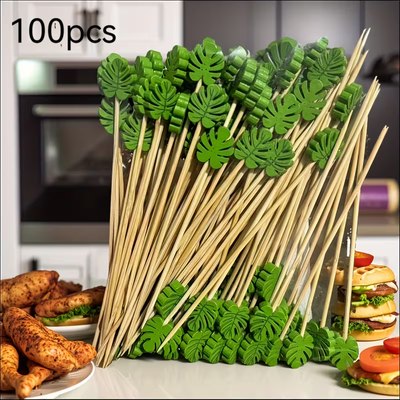
The Handy Homestead Bamboo Cocktail Picks Tropical Leaf Drink Sticks 100pcsBring instant island charm to every sip, snack, and party platter. These 100pcs bamboo cocktail picks feature a tropical leaf design that turns everyday drinks and appetizers into festive, photoready treats. Perfect for hosts, home bartenders,...37,97 $*Shipping: 0,00 $Secure redirect to the provider
-
Dream Decor Rugs Color Arch Sugarcane Multicolor Abstract Area RugStep into a world of vibrant colors and contemporary style with the Color Arch Sugarcane Multicolor Area Rug. Available in multiple sizes, this rectangle rug is perfect for adding a pop of color to any indoor space.528,49 $*Shipping: 0,00 $Secure redirect to the provider
-
How do you calculate variance correctly?
Variance is calculated by finding the average of the squared differences between each data point and the mean of the data set. First, calculate the mean of the data set. Then, subtract the mean from each data point, square the result, and find the average of these squared differences. This average is the variance. The formula for variance is: variance = Σ (x - μ)² / n, where Σ represents the sum of the squared differences, x is each data point, μ is the mean, and n is the number of data points. **
-
How can the variance be transformed?
The variance can be transformed by applying a linear transformation to the data. This can involve multiplying each data point by a constant, adding a constant to each data point, or a combination of both. Another way to transform the variance is by applying a non-linear transformation to the data, such as taking the square root or the logarithm of the data. These transformations can help to stabilize the variance, make the data more normally distributed, or make the variance more homogeneous across different groups or levels of a factor. **
-
What is variance explanation in psychology?
Variance explanation in psychology refers to the extent to which a particular variable or set of variables can account for the variability in a certain psychological phenomenon or behavior. It is a measure of how much of the variability in a particular outcome can be attributed to the variables being studied. For example, in a study on the factors influencing depression, variance explanation would indicate how much of the variability in depression scores can be explained by factors such as genetics, environment, or personality traits. Understanding the variance explanation in psychology is important for identifying the key factors that contribute to a particular psychological outcome. **
-
What does variance stand for in statistics?
In statistics, variance is a measure of how spread out a set of data points are from the mean. It quantifies the variability or dispersion of a dataset. A high variance indicates that the data points are spread out widely, while a low variance indicates that the data points are clustered closely around the mean. Variance is calculated by taking the average of the squared differences between each data point and the mean. **
* All prices are inclusive of VAT and, if applicable, plus shipping costs. The offer information is based on the details provided by the respective shop and is updated through automated processes. Real-time updates do not occur, so deviations can occur in individual cases. ** Note: Parts of this content were created by AI.